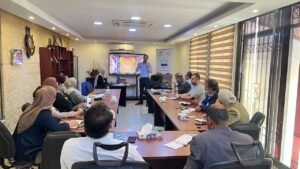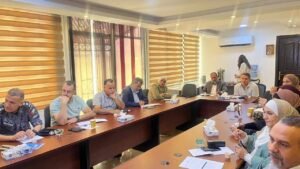
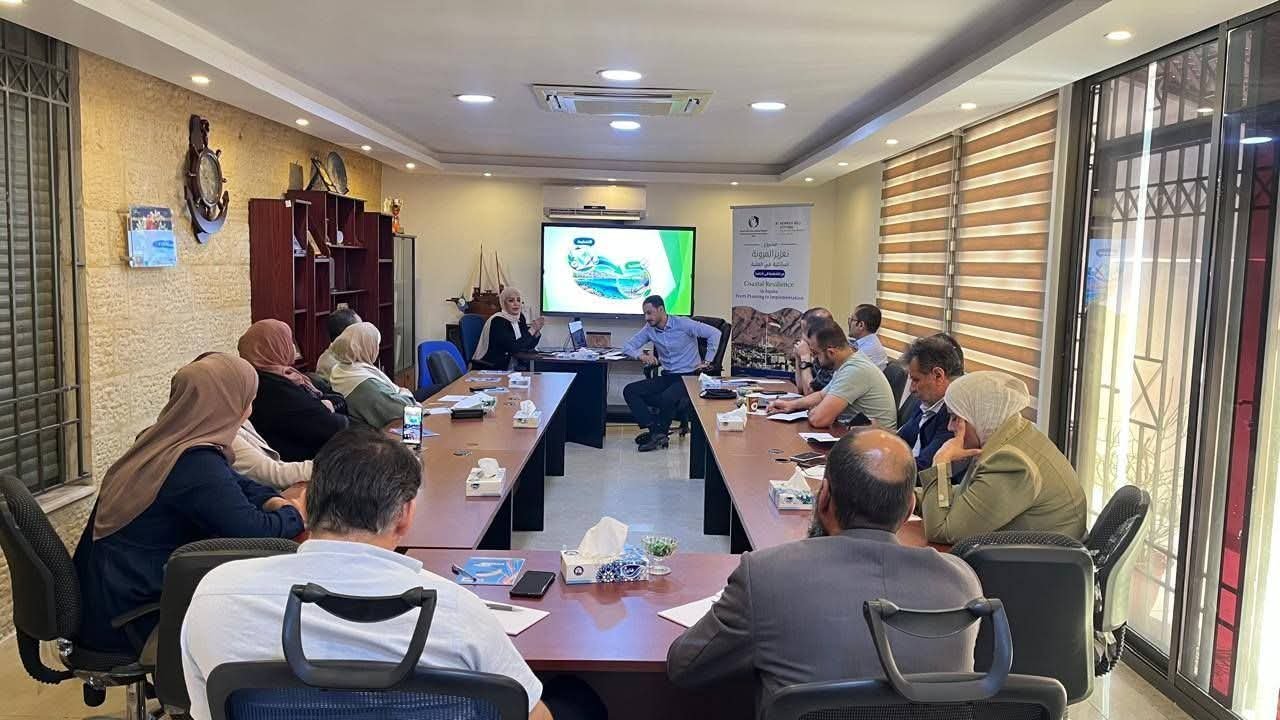
عقدت الجمعية الملكية لحماية البيئة البحرية الاجتماع الأول
ل اللجنة التوجيهية متعددة الأطراف ضمن مشروع «تعزيز المرونة الساحلية في العقبة: من التخطيط إلى التنفيذ – المرحلة الأولى» والمنفذ بدعم من Heinrich-Böll-Stiftung Palestine & Jordan،
وبالتعاون مع سلطة منطقة العقبة الاقتصادية الخاصة
ويهدف المشروع إلى دعم الانتقال من التخطيط المناخي إلى التنفيذ العملي، من خلال تعزيز التنسيق والتعاون بين الجهات المعنية، ومناقشة الأولويات والتحديات المناخية التي تواجه مدينة العقبة، والعمل على تحويل هذه الأولويات إلى إجراءات عملية واضحة وقابلة للتطبيق والمتابعة
وشهد الاجتماع مشاركة عدد من الجهات والمؤسسات ذات العلاقة، حيث تم بحث الأولويات المناخية، واستعراض التوجهات الرئيسية للمشروع، ومناقشة آليات العمل والتنسيق خلال المرحلة القادمة
كما ستسهم اللجنة التوجيهية في توفير التوجيه الفني والاستراتيجي، ودعم عملية مراجعة المخرجات المقترحة، وتعزيز التكامل بين مختلف الجهات، بما يسهم في دفع العمل المناخي في العقبة من مرحلة التخطيط نحو التنفيذ الفعلي وبناء قدرة أكبر على الصمود أمام آثار التغير المناخي
وفي إطار النهج التشاركي الذي يتبناه المشروع، سيتم استكمال عقد الاجتماعات واللقاءات التشاورية مع باقي الجهات والمؤسسات المعنية خلال المراحل القادمة، بهدف توسيع نطاق المشاركة، وتعزيز التنسيق وتبادل الخبرات، وضمان أن تعكس إجراءات العمل المناخي المقترحة أولويات واحتياجات مدينة العقبة والجهات ذات العلاقة
ويأتي هذا العمل ضمن جهود
JREDS
الرامية إلى تعزيز الشراكات والتعاون المؤسسي، ودعم مستقبل أكثر استدامة ومرونة للبيئة الساحلية والمجتمعات المحلية في مدينة العقبة
The Royal Marine Conservation Society (JREDS) held today the first meeting of the Steering Committee as part of the project “Enhancing Coastal Resilience in Aqaba: From Planning to Implementation – Phase I,” implemented in founded by Heinrich-Böll-Stiftung Palestine & Jordan & cooperation with the Aqaba Special Economic Zone Authority (ASEZA).
The project aims to support the transition from climate planning to practical implementation by strengthening coordination and collaboration among relevant stakeholders, discussing climate priorities and challenges facing Aqaba, and developing Climate Action Implementation Sheets to translate identified priorities into clear, practical, and actionable measures that can be implemented and monitored.
The meeting brought together representatives of relevant institutions and stakeholders to discuss key climate priorities, introduce the main directions of the project, and explore mechanisms for coordination and collaboration throughout the upcoming phases.
The Steering Committee will play an important role in providing technical and strategic guidance, reviewing proposed outputs, strengthening coordination among stakeholders, and supporting the transition from climate planning towards practical implementation and enhanced resilience to the impacts of climate change.
As part of the project’s participatory approach, additional meetings and consultation sessions with other relevant stakeholders will continue throughout the upcoming phases, ensuring broader engagement, knowledge exchange, and coordination, while reflecting the priorities and needs of Aqaba and its diverse stakeholders.
This initiative reflects JREDS’ continued efforts to strengthen partnerships and institutional collaboration and to support a more sustainable, climate-resilient future for Aqaba’s coastal environment and local communities